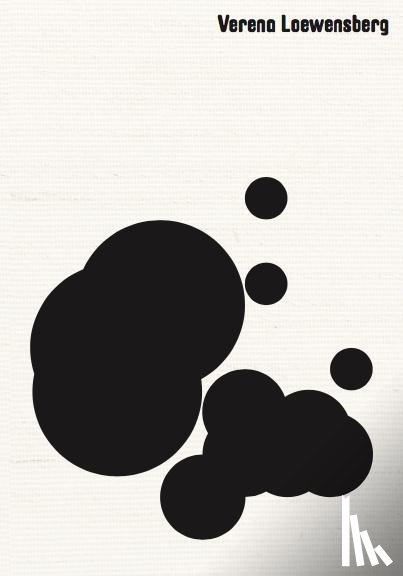
Concrete art, the final modernist movement in Switzerland, dominated the country's art scene until the end of the 1960s. This movement, which emerged during the interwar period, called for an objective, autonomous visual idiom free from any exterior referentiality-a reason why it is often seen as a cornerstone of Minimalism. It was not until the movement had already peaked that Verena Loewensberg (1912- 1986), the only female member of the "Zurich Concretes," finally enjoyed the same recognition as her peers (who included Max Bill, Camille Graeser, and Richard Paul Lohse). She created concise, structured compositions that showed considerable freedom in terms of shape and color, while working in the local textile industry and accepting commissions for applied art. A jazz enthusiast, she also opened City-Discount, a record store, in Zurich in the 1960s. From this point on her work focused on formal elements and series that broke from the limitations of Concrete art and moved closer to the ideas of Colorfield painting, Pop art, and Minimal art.
Text: Anke Kempes, Philip Ursprung.
Ik heb een vraag over het boek:
‘Verena Loewensberg - ’.
Vul het onderstaande formulier in.
We zullen zo spoedig mogelijk antwoorden.
Wij respecteren je privacy
We gebruiken cookies om bezoek te meten, Boekstra te verbeteren en om advertenties van Google op je interesses af te stemmen. Je kunt de site hoe dan ook gewoon blijven gebruiken — ook als je weigert. Meer info