Omschrijving
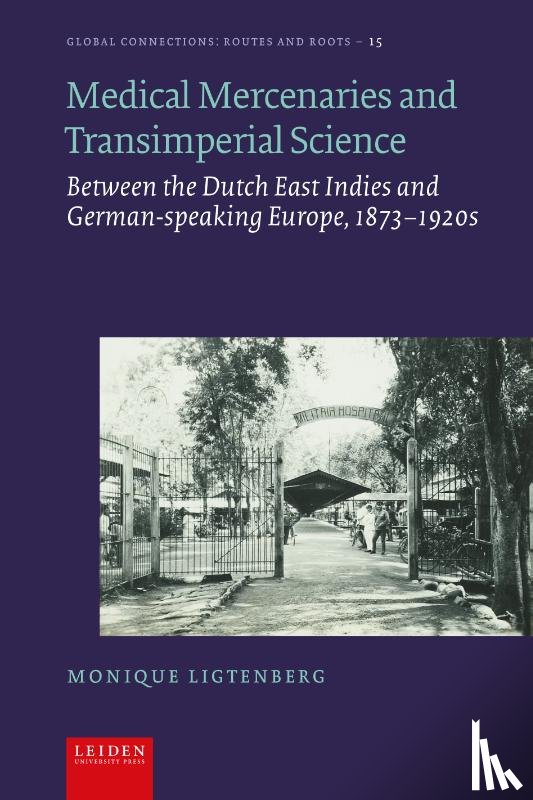
This book offers insights into the transimperial networks that shaped medicine in the late nineteenth and early twentieth centuries, highlighting the role of foreign physicians in the Dutch Empire. 'Medical Mercenaries and Transimperial Science' traces the trajectories of some 300 physicians from German-speaking Switzerland, Habsburg Austria, and the German Empire who served in the Dutch East Indies’ military and civil medical institutions between the 1870s and 1920s. The book offers new insights into the transimperial networks that shaped medicine in the late nineteenth and early twentieth centuries, highlighting the crucial yet ambivalent role of foreign physicians in the Dutch Empire. It shows how colonial medicine functioned as a vehicle for performing bourgeois respectability, scientific authority, and imperial masculinity, all while constantly being challenged and renegotiated in light of unfamiliar diseases, indigenous expertise, and local resistance. Following German-speaking physicians across the colonial military, laboratories, and plantations, the study reveals how colonial medicine structured hierarchies of race, class, gender, and nationality, and how knowledge forged in the tropics reshaped metropolitan medical discourse in German-speaking Europe and beyond. 'Medical Mercenaries and Transimperial Science' traces the trajectories of some 300 physicians from German-speaking Switzerland, Habsburg Austria, and the German Empire who served in the Dutch East Indies’ military and civil medical institutions between the 1870s and 1920s. The book offers new insights into the transimperial networks that shaped medicine in the late nineteenth and early twentieth centuries, highlighting the crucial yet ambivalent role of foreign physicians in the Dutch Empire. It shows how colonial medicine functioned as a vehicle for performing bourgeois respectability, scientific authority, and imperial masculinity, all while constantly being challenged and renegotiated in light of unfamiliar diseases, indigenous expertise, and local resistance. Following German-speaking physicians across the colonial military, laboratories, and plantations, the study reveals how colonial medicine structured hierarchies of race, class, gender, and nationality, and how knowledge forged in the tropics reshaped metropolitan medical discourse in German-speaking Europe and beyond. Table of Contents; Acknowledgements; List of Figures; Introduction: The Dutch Empire and Germanophone Europe; Chapter 1: Germanophone Physicians in the Dutch East Indies: Transimperial Markets for Medical Experts; Chapter 2: Medical Mercenaries and Dutch Colonial Warfare: Negotiating Race, Class, Gender, and Medicine in Aceh, c. 1880s–1890s; Chapter 3: ‘Men on the Spot’ and Dutch Colonial Medicine: Transimperial Tensions in Early Bacteriology (1880s–1900); Chapter 4: From “Koelie Medicine” via Plantation Hygiene to International Public Health: German and Swiss Physicians on Sumatra’s Plantation Belt; Conclusion; Bibliography; Index