Omschrijving
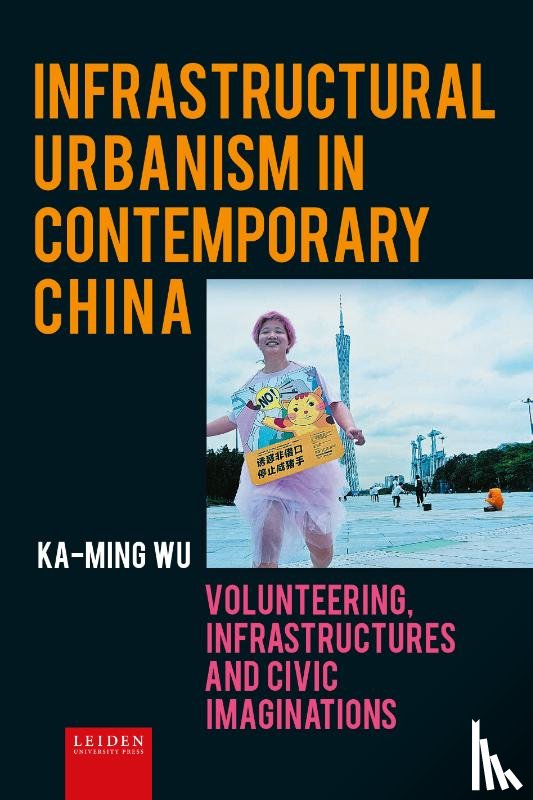
This book examines how Chinese citizens negotiate their everyday experiences with urban spaces, improved city infrastructure, and an increasingly tight surveillance regime through volunteering. This book examines how Chinese citizens negotiate their everyday experiences with urban spaces, improved city infrastructure, and an increasingly tight surveillance regime through volunteering. It asks how citizens connect to city spaces where facilities for transit, culture, and leisure have been substantially upgraded. Drawing on extensive research, the author investigates how citizens conduct volunteer activities that not only promote party-state campaigns and engage with new urban spaces and services, but also experiment with political, social, and cultural rights, including advocating for the rights of people with disabilities and promoting unofficial interpretations of national history. The book argues that volunteering has become an urban practice through which citizens navigate existing hierarchies of urban and rural status, gender, age, and ability, while contesting top-down, mega-event–driven urbanization. It situates Chinese everyday urbanism within the context of China’s hosting of multiple international events, its expanding public and digital infrastructures, heightened party-state control, and burgeoning digital activism. The book contributes to the infrastructural turn in urban anthropology and the field of China studies, offering a new understanding of urban rights and public access in contemporary China. This book examines how Chinese citizens negotiate their everyday experiences with urban spaces, improved city infrastructure, and an increasingly tight surveillance regime through volunteering. It asks how citizens connect to city spaces where facilities for transit, culture, and leisure have been substantially upgraded. Drawing on extensive research, the author investigates how citizens conduct volunteer activities that not only promote party-state campaigns and engage with new urban spaces and services, but also experiment with political, social, and cultural rights, including advocating for the rights of people with disabilities and promoting unofficial interpretations of national history. The book argues that volunteering has become an urban practice through which citizens navigate existing hierarchies of urban and rural status, gender, age, and ability, while contesting top-down, mega-event–driven urbanization. It situates Chinese everyday urbanism within the context of China’s hosting of multiple international events, its expanding public and digital infrastructures, heightened party-state control, and burgeoning digital activism. The book contributes to the infrastructural turn in urban anthropology and the field of China studies, offering a new understanding of urban rights and public access in contemporary China. Contents; List of Figures; Introduction; 1. Ceremonial Volunteers, Mega-events and the Making of Role Model Citizens; 2. Elderly Vigilantes? Wayfinding Service or Surveillance in the Capital; 3. Museum Storytellers, National Treasures and Critical Guided Tours; 4. Stranger Companions in the Dark: The Biopolitics of Sharing the City with the Visually Challenged; 5. The Pink Flâneur: Feminist Volunteering in Urban Transits and Landmarks; Conclusion; Glossary; Index